
Self Help for Those Who Give Everything to Others
Practical tools and wellness resources for veterans, first responders, healthcare professionals, and legal professionals who face stress, trauma, and emotional demands in the line of service.

Mindfulness
Mindfulness can help calm the nervous system during moments of stress and overwhelm. For those who regularly face high-pressure situations, learning to stay present can improve focus, reduce anxiety, and create space between reaction and response.
Medical Professionals
Doctors, nurses, and healthcare workers often care for others while neglecting their own well-being. Long shifts, emotional fatigue, and constant responsibility can build over time. Dedicated self-care practices can help medical professionals prevent burnout and maintain their ability to serve.


Sleep
Rest is essential for emotional recovery and clear decision-making. Chronic sleep disruption can increase irritability, anxiety, and exhaustion. Improving sleep habits can strengthen mental resilience and help restore physical and emotional energy.
Exercise
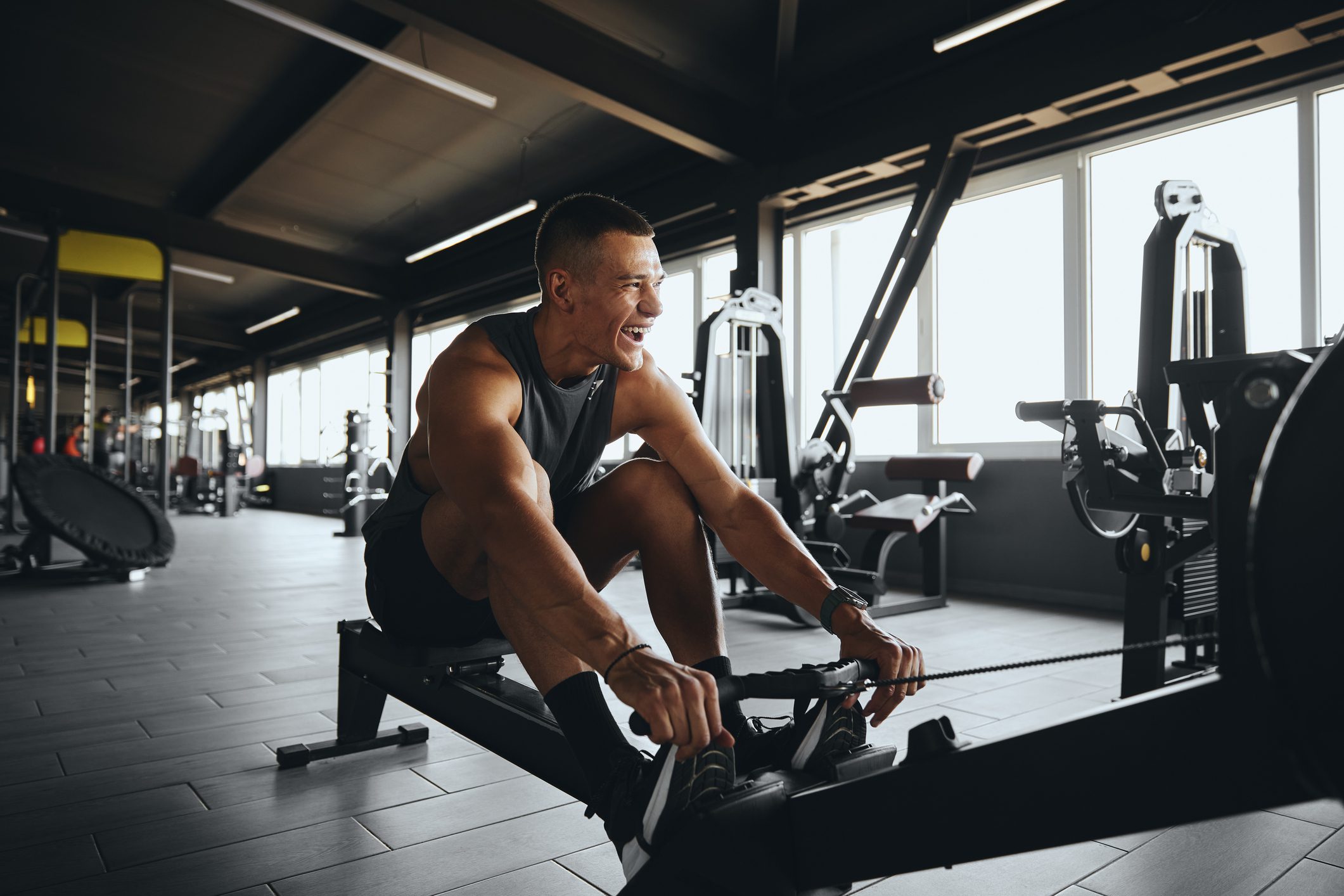
Physical movement can reduce stress, improve mood, and release tension stored in the body. Even short periods of daily activity can support long-term mental health for people working in emotionally demanding professions.
Meditations
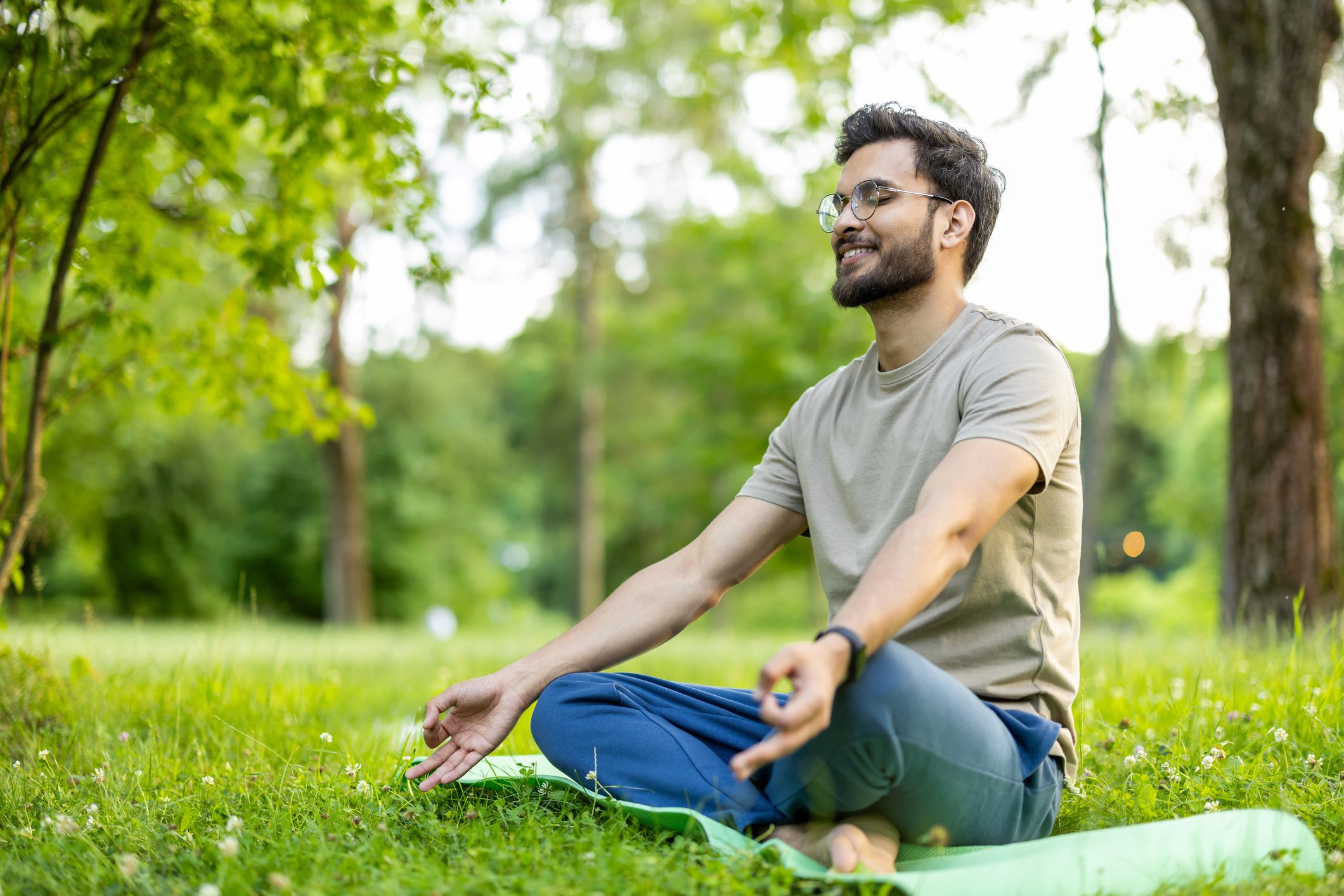
Meditation can help quiet mental noise and improve emotional awareness. Regular practice may reduce stress, improve concentration, and create a greater sense of control during challenging moments.
Art and Music
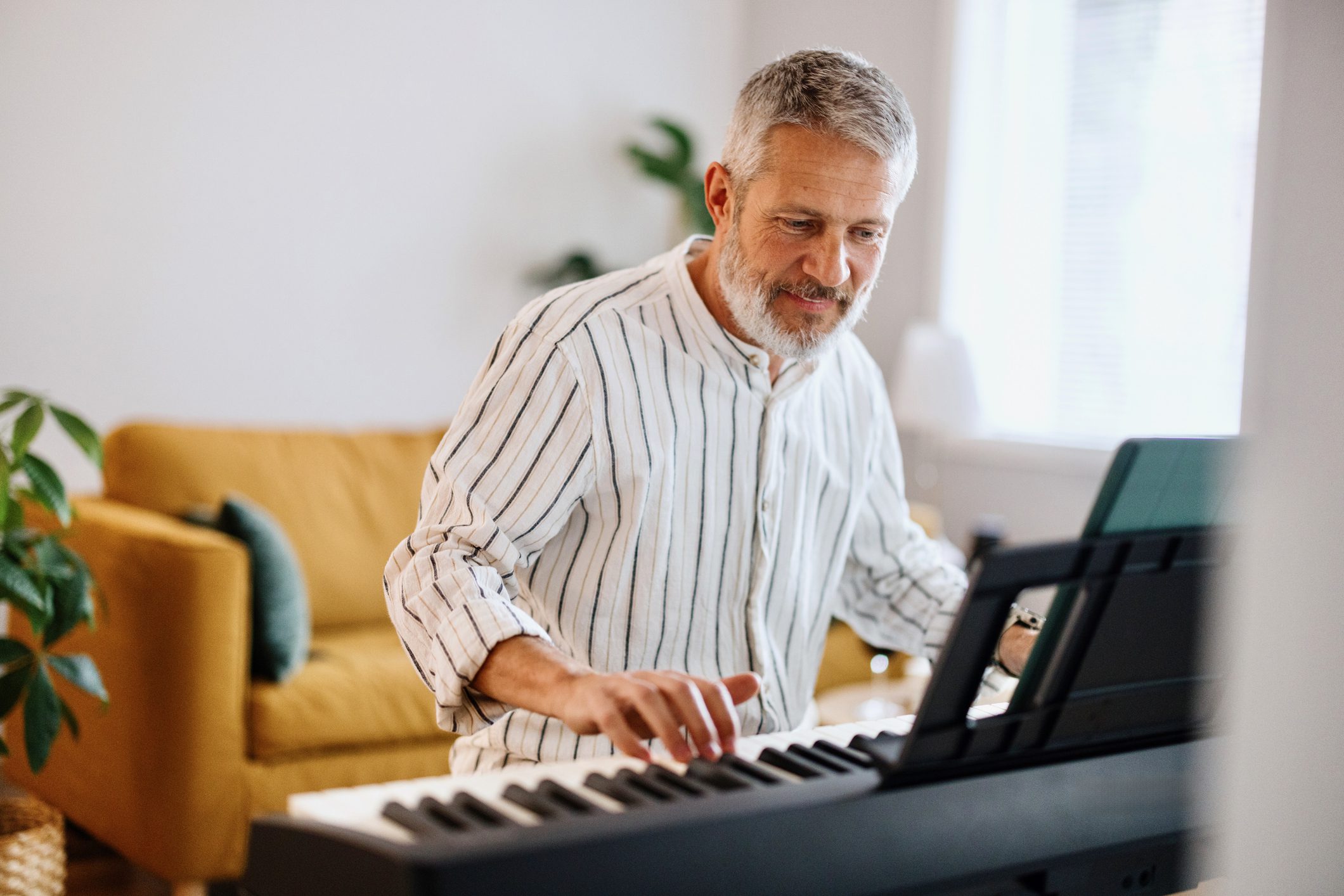
Creative outlets can provide healthy ways to process emotions that are difficult to express in words. Music, drawing, writing, and other forms of creativity can support healing and offer relief from ongoing stress.
Gratitude
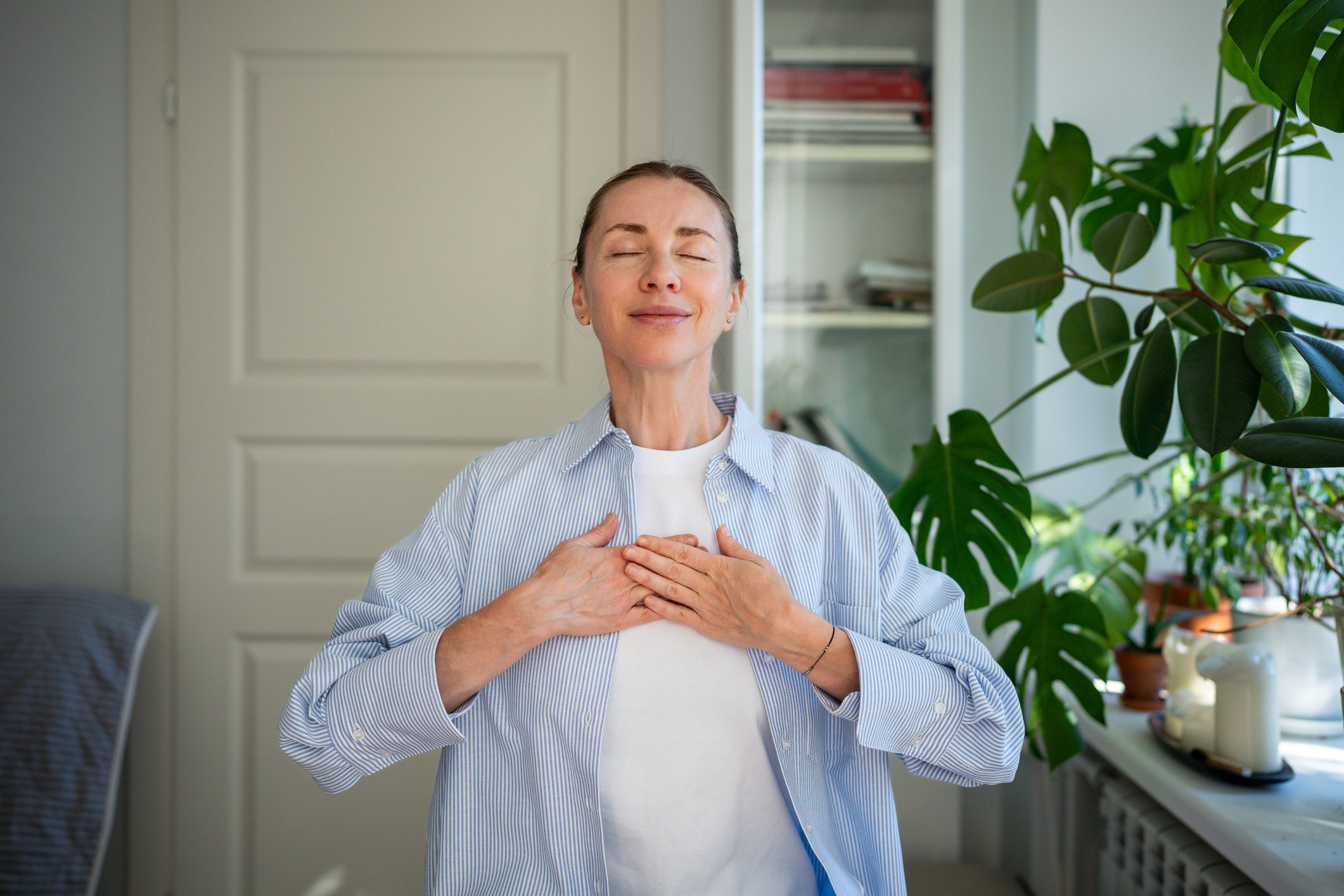
Practicing gratitude can shift attention away from constant pressure and toward moments of meaning. Small daily reflections can improve perspective and strengthen emotional well-being over time.
Emotional Regulation
High-stress careers often require staying composed under pressure. Learning emotional regulation skills can help manage difficult reactions, improve relationships, and reduce the long-term impact of repeated stress exposure.